Why Players Feel Tension Even When Nothing Is At Stake
15 August 2026 | 244
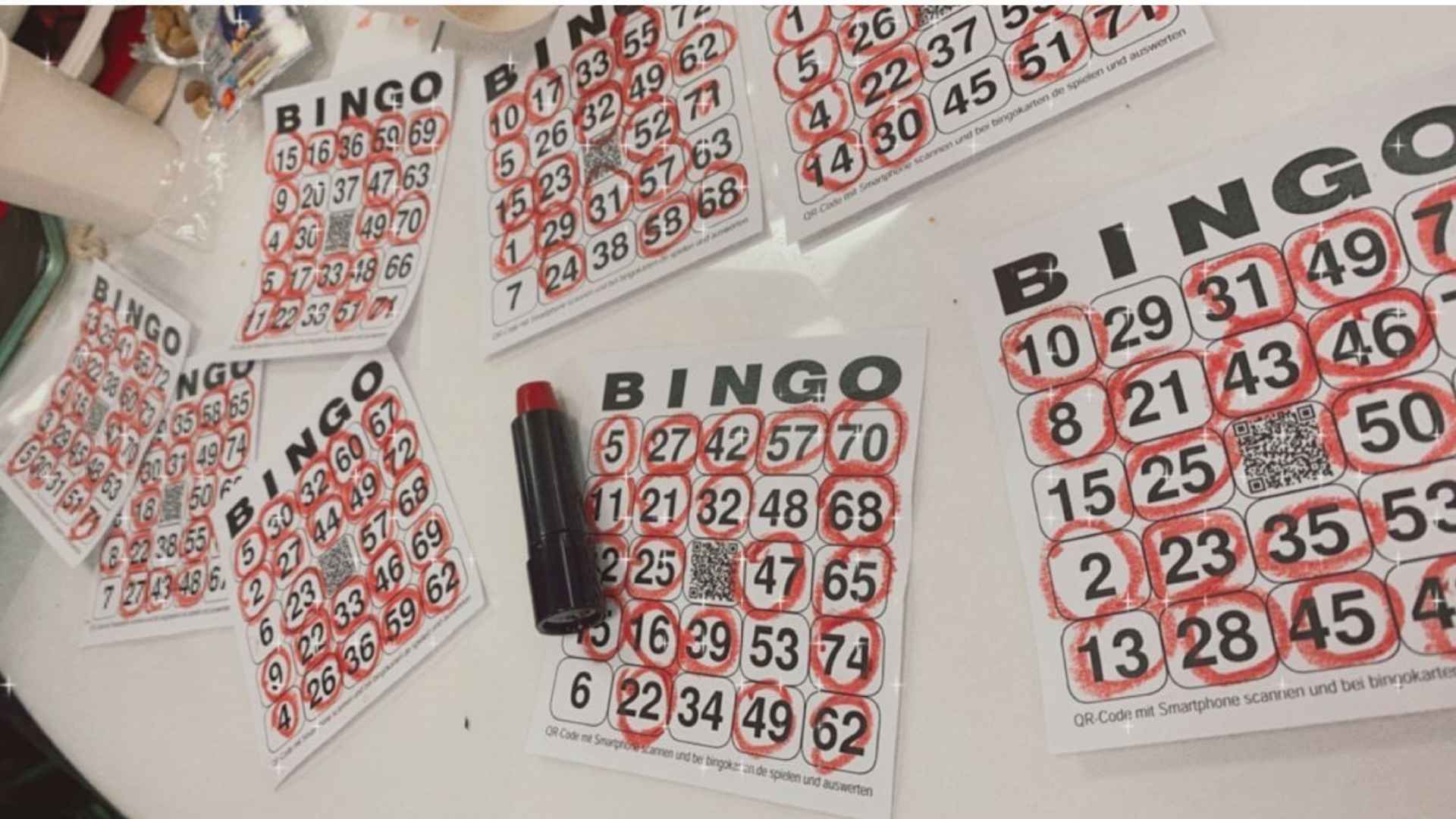
Even when a game offers no monetary rewards, physical prizes, or real-world consequences, participants often experience intense psychological suspense. This phenomenon occurs because the human brain treats competitive scenarios and randomized events as meaningful challenges regardless of the actual risk involved. Understanding why our nerves react during low-stakes play provides fascinating insights into cognitive psychology and modern interactive entertainment.
The Brain Mechanism of Simulated Risk
Human cognition is naturally hardwired to evaluate uncertainty as a situation requiring heightened focus and immediate alertness. When a person observes a spinning mechanism or an unpredictable match, the brain releases dopamine in anticipation of the final outcome. This surge in neurotransmitters creates genuine physical tension long before the result is revealed.
Because our neurological pathways cannot easily distinguish between high-stakes survival and casual entertainment, the body responds with real physical reactions. Increased heart rates and subtle muscle tightness occur simply because the mind demands closure. The psychological drive to resolve uncertainty is often powerful enough to generate real emotional investment in trivial scenarios.
Social Presence and Comparative Pride
In many casual gaming environments, tension stems not from tangible rewards, but from social dynamics and personal pride. Players naturally desire to perform well in front of peers or demonstrate skill in competitive settings. The fear of making a minor mistake or losing a simple round triggers a mild threat response in the brain.
This drive for validation makes even casual choices feel critical to the participant. Gamers frequently explore platforms and casual sites, sometimes seeking an official m88 alternatif to test their luck or skill against unpredictable systems. The desire to achieve a successful outcome keeps players fully engaged in the moment.
Visual Pacing and Suspenseful Mechanics
Game developers frequently utilize specific visual cues and audio design to deliberately induce tension. Slowing rotations, dramatic countdown timers, and rhythmic ticking sounds mimic real-world warning signals. These elements force the observer to track movement carefully, prolonging the period of mental anticipation.
By extending the time between an action and its result, designers manipulate our psychological perception of importance. The longer an individual waits for a visual sequence to conclude, the more emotional value they unconsciously place on the outcome. This artificial delay transforms ordinary decisions into dramatic highlights.
The Power of Narrative Investment
When individuals participate in interactive experiences, they naturally construct internal narratives around their progress. Even in a simple game of chance, players track streaks, imagine potential scenarios, and project personal goals onto the screen. This self-generated storytelling elevates simple mechanics into compelling personal journeys.
Ultimately, tension in zero-stake environments reflects our innate capacity for empathy and imagination. We care about outcomes because we choose to immerse ourselves in the logic of the game world. This willingness to embrace harmless suspense is precisely what makes interactive games so universally appealing.