The Fundamentals of Randomness in Games
21 July 2026 | 25
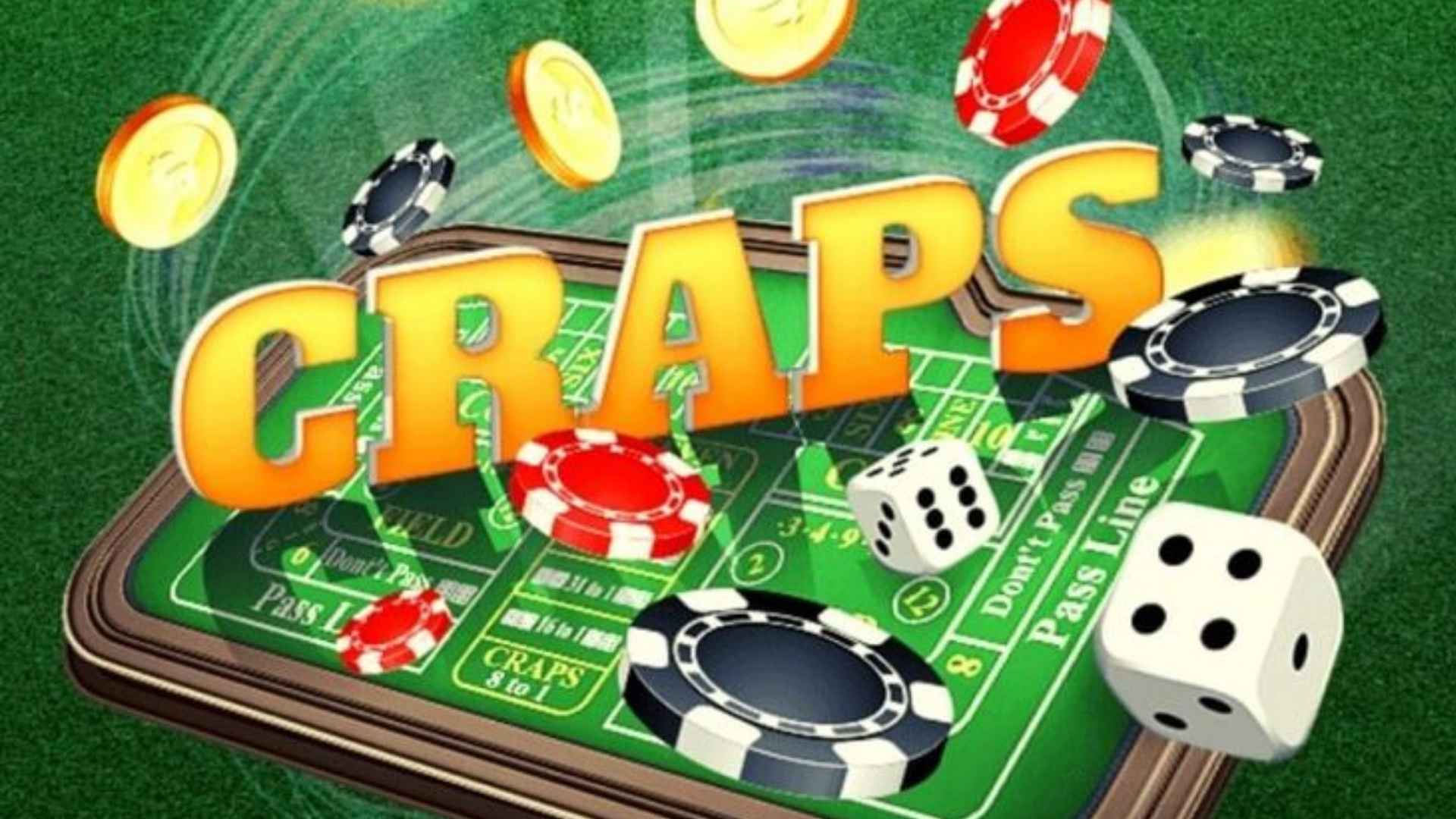
Randomness is a foundational element in modern game design, acting as the driving engine behind unpredictable situations that keep participants thoroughly engaged. Whether rolling physical dice in a tabletop match or exploring vast digital environments, unpredictability breaks up repetitive loops and creates memorable challenges. Understanding how these mechanics operate helps both developers craft better experiences and players build highly adaptive strategies.
The Core Distinction in Digital Chance
In the digital realm, creating absolute unpredictability is structurally impossible because computers operate on strict deterministic rules. Developers solve this issue by utilizing pseudo-random number generators, which calculate sequences using mathematical formulas derived from a baseline value. This system ensures that every unexpected drop or card draw feels entirely organic while maintaining structural stability behind the scenes.
For players exploring interactive environments, recognizing this balance between calculation and chance can significantly lower frustration during unexpected streaks. Many reputable gaming platforms use these identical algorithms to create a fair playing field for communities worldwide. Enthusiasts seeking a dependable portal can visit M88 asia to observe how these automated systems handle mathematical probability in real time. Studying these patterns builds a stronger analytical mindset for navigating complex mechanical layouts.
Input vs Output Randomness
Game designers generally categorize chance mechanics into two distinct types based on when the unpredictable event actually occurs. Input randomness happens before the user makes a choice, such as shuffling a deck of cards or generating a random map layout at the beginning of a turn. This approach encourages deep tactical planning because individuals must analyze the current situation and adapt their strategy to the hand they are dealt.
Conversely, output randomness takes place after a decision is made, determining the immediate success or failure of an action, like calculating whether a sword strike hits a target. While this model introduces dramatic tension and high stakes, overusing it can sometimes make participants feel as though their personal skills do not matter. Striking the right balance between these two styles is essential for keeping competitive loops satisfying and rewarding.
Enhancing Replayability and Engagement
Without elements of chance, most games would quickly lose their appeal after participants figure out the single most optimal path to victory. Introducing unpredictable variables ensures that no two playthroughs are ever exactly identical, which dramatically increases long-term replayability. This variance forces individuals to move past memorized routines and continuously rely on real-time problem-solving capabilities.
Ultimately, mastering the fundamentals of chance transforms gaming from a basic test of memorization into a dynamic exercise in risk assessment. By learning to accept variance as a natural variable, players can enjoy the inherent thrill of uncertainty without unnecessary cognitive stress. With consistent observation, understanding these structural systems makes every interactive experience both accessible and deeply engaging.